Technical Dialogue Reveals Roadmap for RDF Rorotan: Jakarta’s Flagship Sustainable Waste Solution
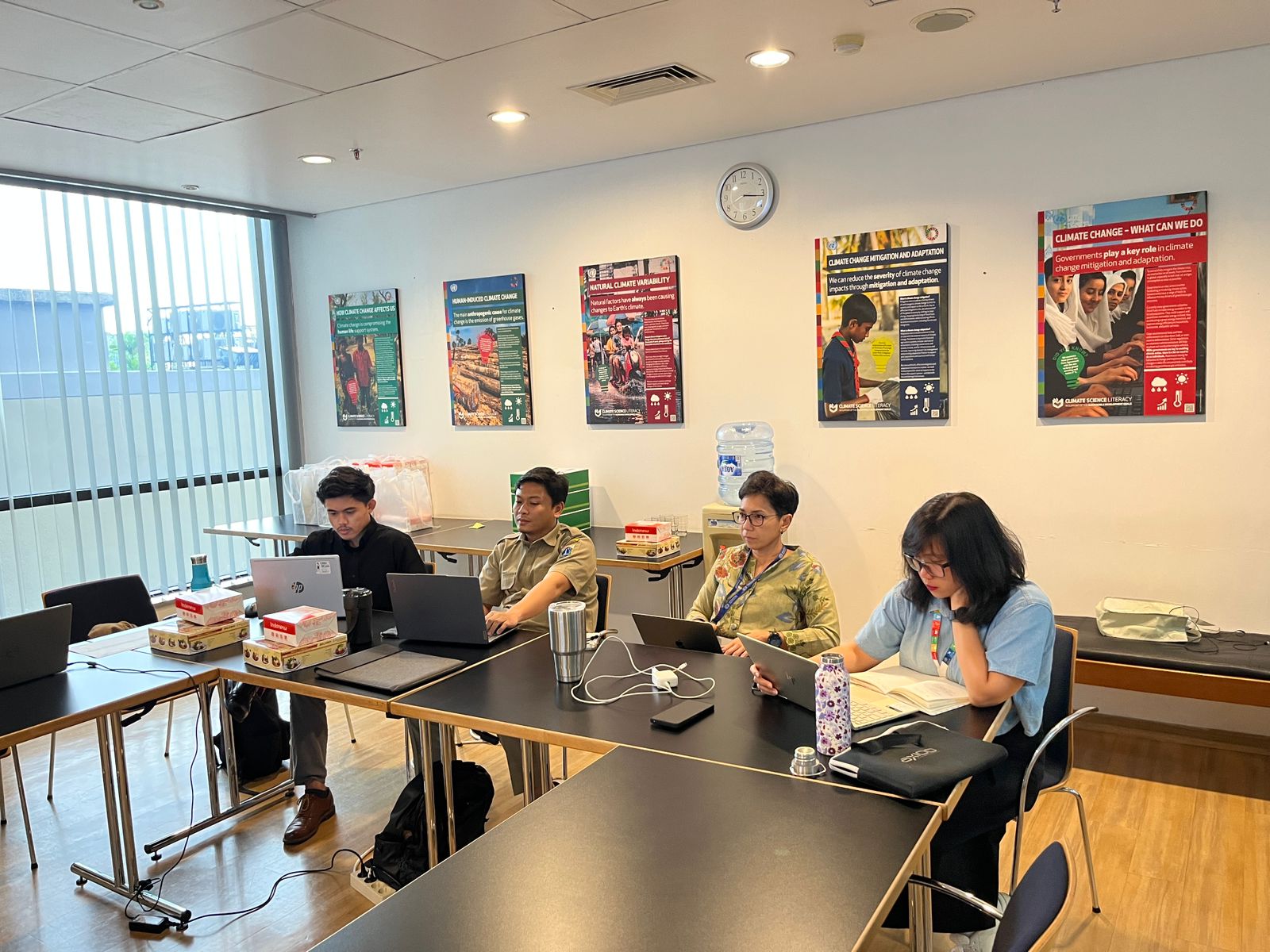
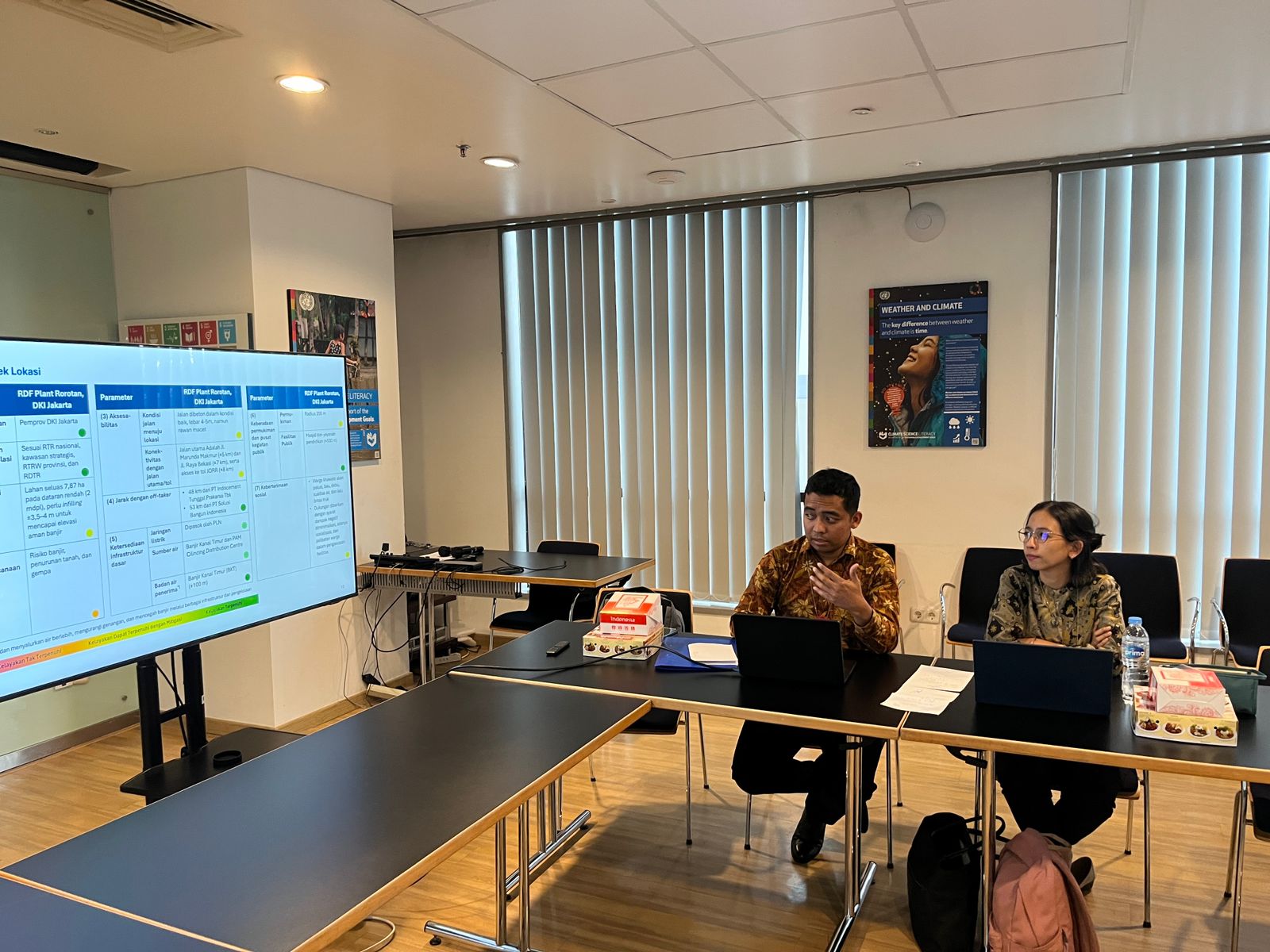
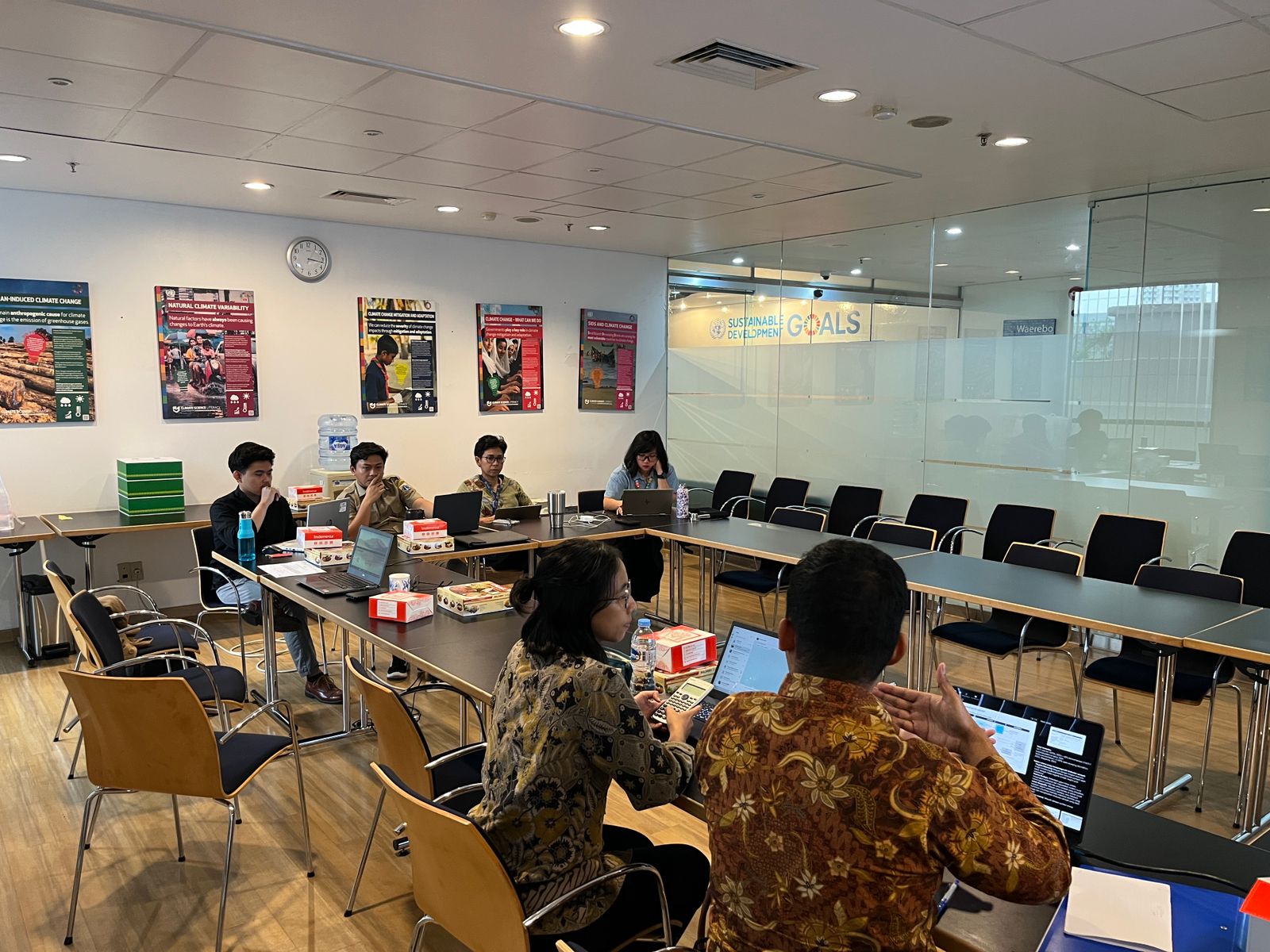
Jakarta, September 30, 2025 – The Sustainable Infrastructure Programme in Asia (SIPA), a collaboration between The Ministry of National Development Planning (Bappenas) and the United Nations Development Programme (UNDP) Indonesia, held a technical coordination meeting yesetrday with the DKI Jakarta Environmental Agency (DLH-Dinas Lingkungan Hidup) to discuss the viability of the Refuse-Derived Fuel (RDF) Rorotan facility.
The meeting served to confirm crucial operational and financial data for an ongoing national assessment of viable RDF business models, which includes Rorotan alongside sites in Cimahi, Nambo, Cilacap, and Banyumas. Representing the DKI Provincial Government was Environmental Analyst Satria Kharisma Ramadhan from the DLH.
The discussions shed light on the strategic implementation of RDF Rorotan—a pivotal project that is set to become one of the world's largest RDF facilities and the first of its kind to operate within a dense residential area of the capital.
Financial Viability and Public Funding
The project's financial model was a central discussion point, confirming DKI Jakarta's strong fiscal commitment to sustainable waste management:
- 100% Regional Budget Funding: The RDF Rorotan facility is entirely financed through the DKI Jakarta Provincial Budget, underscoring the government's direct investment in urban sustainability.
- Operational Subsidy: To ensure operational continuity and stability, a significant subsidy of IDR 170 Billion has been budgeted for the facility’s management and operations in 2026.
- Tariff Structure: The tariff for general waste delivery to the site is currently 0 IDR (Zero Rupiah) for the public. However, commercial waste retribution has been increased fivefold, aiming to balance public service with financial sustainability.
- Capacity and Residue: With a daily capacity of 2,500 tons of waste, Rorotan is expected to manage a substantial portion of Jakarta's 7,000 tons of daily waste. Only 10-15% of the processed volume will be residual waste, which will be transported to Bantar Gebang.
Social, Inclusivity, and Safety Commitments
The technical dialogue also focused on the social and labor aspects of the Design and Build project, particularly given its proximity to a residential area:
- Workforce Projection: The facility projects a total workforce of 296 people. Initial staffing includes 115 men and 27 women, with the labor strategy prioritizing men for machine-related work and women for cleaning and support roles.
- Inclusivity and Education: While the current workforce does not yet include persons with disabilities, the facility has ensured that necessary supporting infrastructure for people with disabilities is in place. Furthermore, the site is developing an educational platform for the community to visit and learn about the RDF process, transforming the site into an environmental learning center.
- Safety and Community Relations: Occupational Health and Safety standards are explicitly included in the business model study. Critically, a Citizen Communication Forum is maintained to facilitate feedback and complaints, an essential mechanism for a waste management site located near local settlements.
Partnerships and Next Steps
The facility has secured an Extended Producer Responsibility (EPR) partnership with PT Unilever for managing plastic waste, highlighting the role of the private sector in the circular economy.
The meeting concluded with a mutual agreement on the validated data, paving the way for the next phase of the assessment. The RDF Rorotan site is currently scheduled for dry testing and waste trial runs in October 2025. These tests are critical steps before the facility can begin full-scale operations, proving that the cutting-edge technology and sensitive location can be successfully managed.
The outcomes of this technical coordination will be integrated into the national assessment, helping Bappenas and UNDP develop a comprehensive, viable business model that can be replicated and scaled across other RDF sites like Cimahi, Cilacap, Banyumas, and Nambo, thereby strengthening Indonesia's urban waste infrastructure and climate resilience agenda.