Cimahi’s Bold Step Towards Zero Landfill with RDF
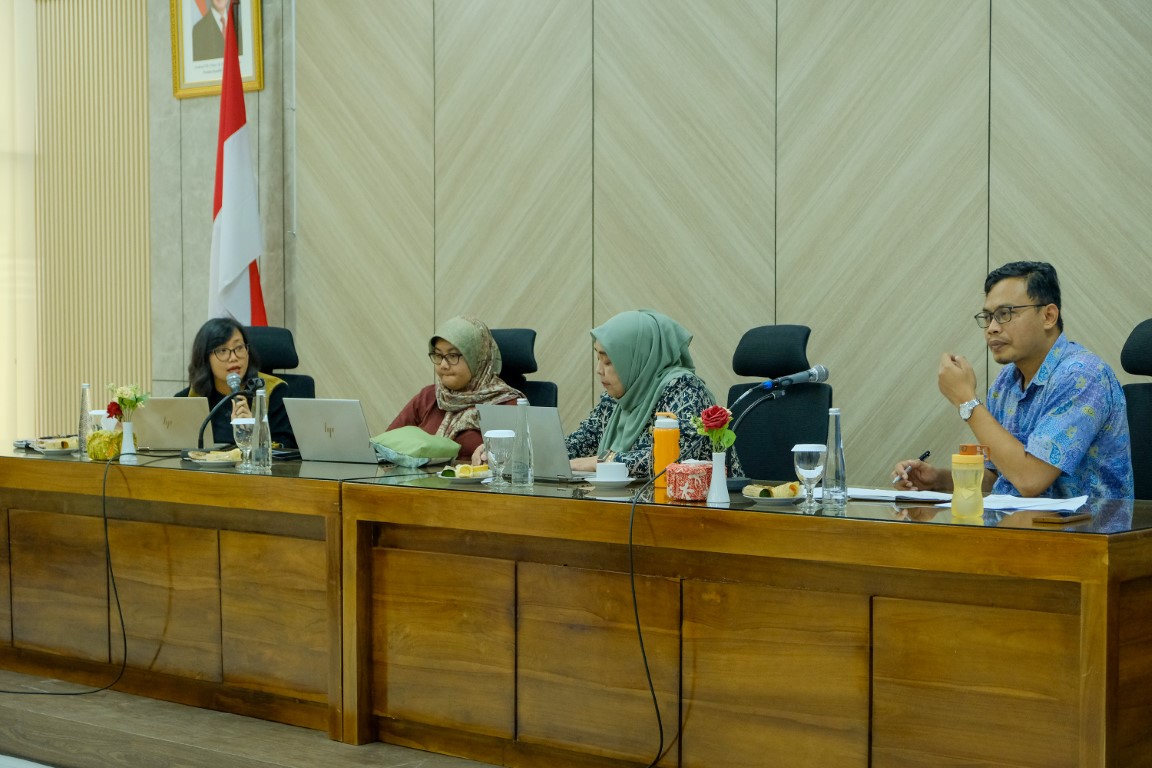
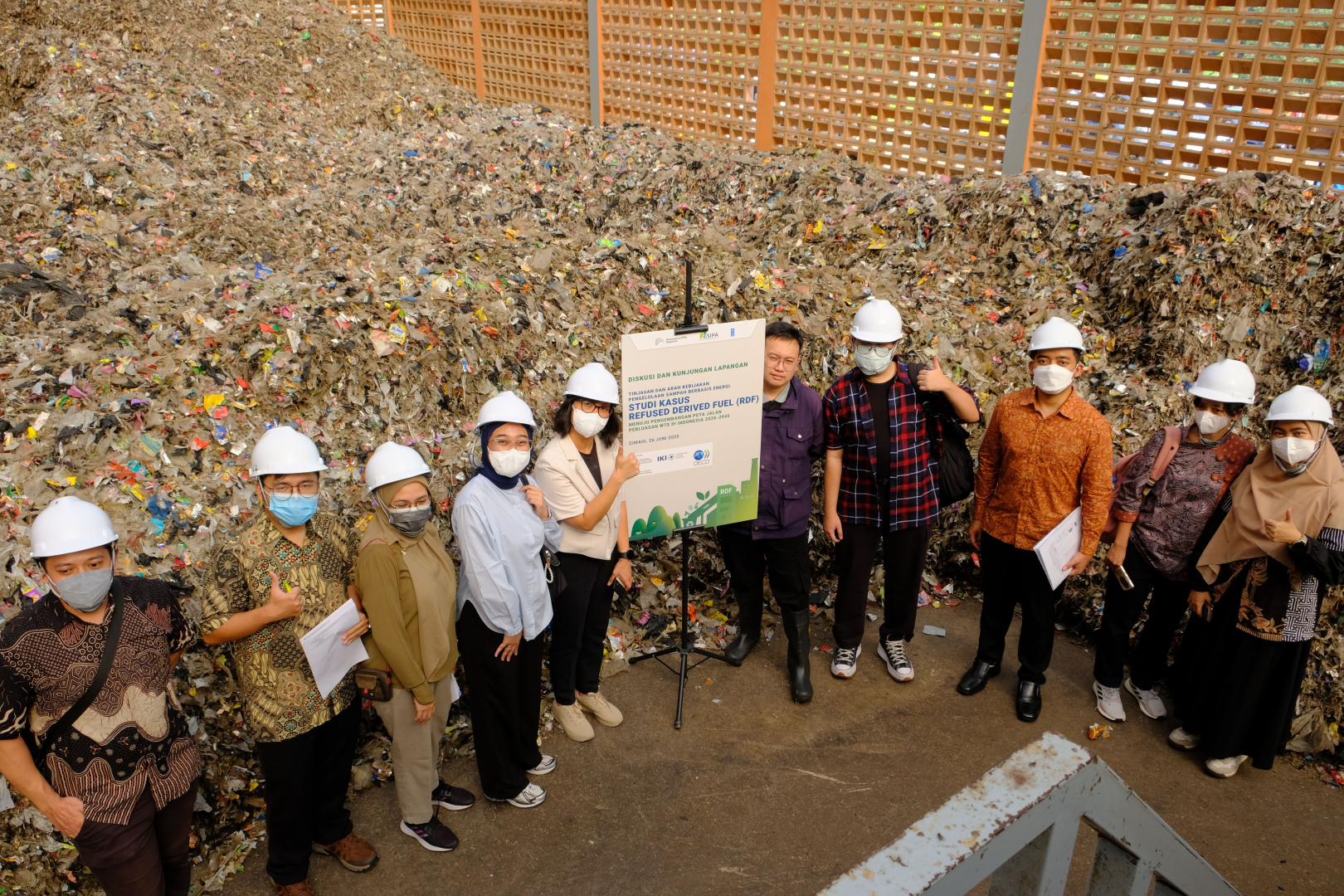
From 25 to 27 June 2025, the Sustainable Infrastructure Programme in Asia (SIPA), supported by UNDP and Bappenas, organized a site visit and stakeholder discussion in Cimahi, West Java. The three-day event gathered government officials, private sector representatives, and development partners to explore how Refuse-Derived Fuel (RDF) is reshaping waste management at the city level.
A Facility Driving Change
At the center of Cimahi’s progress is TPST Santiong, an integrated waste processing facility that opened in 2024. Designed to handle 50 tons of municipal waste daily, it currently processes around 20–25 tons per day, converting waste into RDF with a calorific value of 3,400 kcal/kg. This RDF is already being co-processed by Indocement, offering a practical alternative to coal and proving that waste can fuel industry while cutting emissions.
Innovation Beyond the Plant
Cimahi’s success doesn’t rely on infrastructure alone—it’s rooted in strong community and institutional initiatives. Through upstream waste reduction campaigns like GRAK OMPIMPAH (waste sorting at source) and GRAK POCERI (household composting), the city has significantly reduced waste sent to landfill, with TPST Santiong and its partner facility in Lebaksaat now processing up to 50 tons per day. These efforts are pushing Cimahi closer to its ambitious target: zero waste to landfill by 2025.
Collaboration at the Core
What makes Cimahi’s approach stand out is its multi-stakeholder collaboration. The local government sets the vision, communities take ownership through waste segregation and composting, and private partners like Indocement ensure that RDF has a sustainable market. This synergy shows how cities can build a circular economy by aligning social participation, technical solutions, and industrial demand.
Looking Ahead
The lessons from Cimahi are more than a local success story—they provide valuable input for Indonesia’s national RDF roadmap and business models. By combining innovation, collaboration, and ambition, Cimahi demonstrates how cities can turn waste challenges into opportunities for clean energy, reduced landfill dependency, and a more sustainable future.