Strengthening Sustainable Waste Management Planning Through Knowledge Sharing and Capacity Building
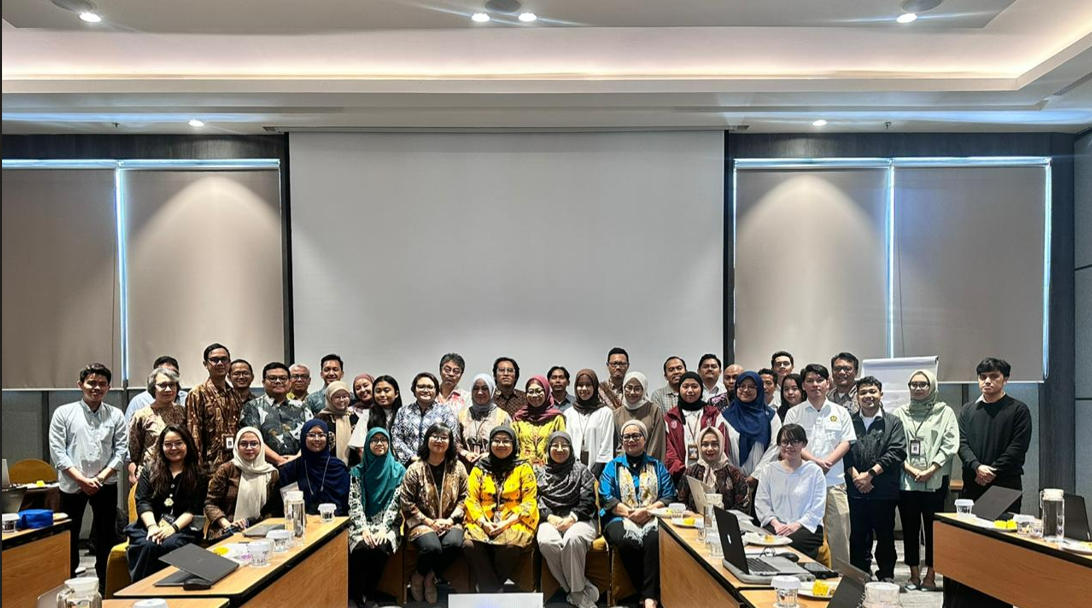
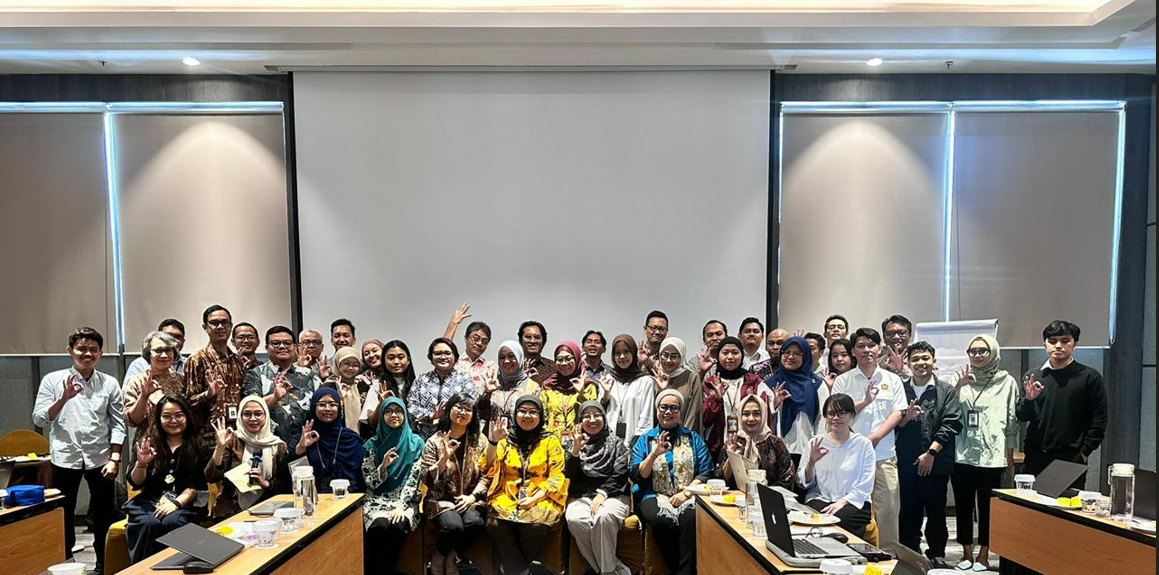
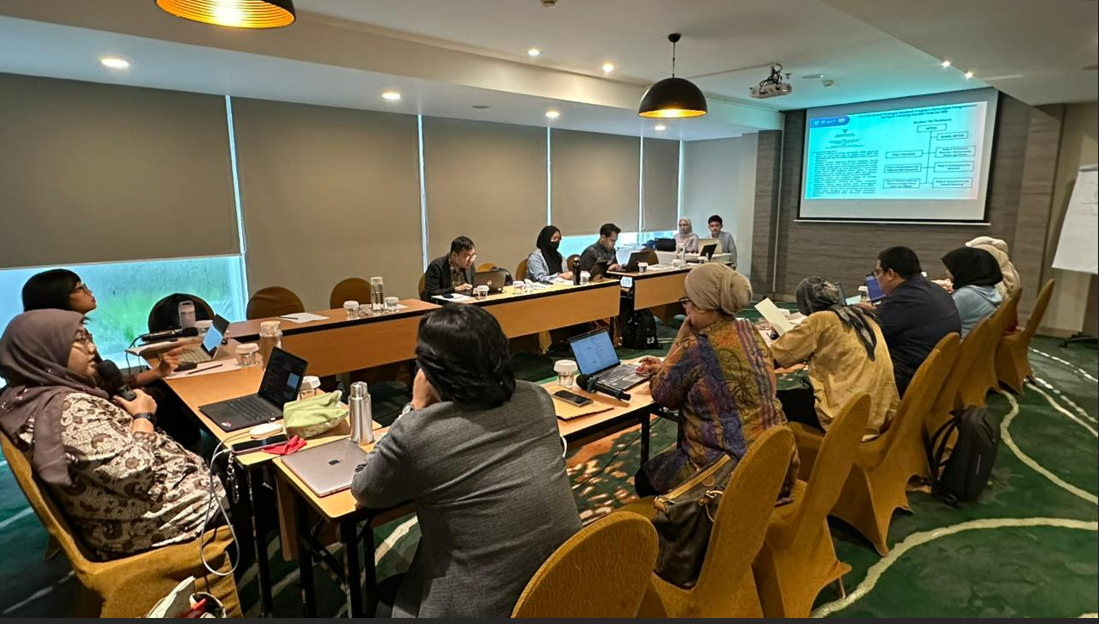
On 20–21 May 2026, the Sustainable Infrastructure Programme in Asia (SIPA), implemented by UNDP Indonesia in collaboration with the Ministry of National Development Planning/Bappenas, convened a two-day capacity-building and knowledge-sharing series in Jakarta to strengthen the quality of feasibility studies (FS) for waste management projects in Indonesia.
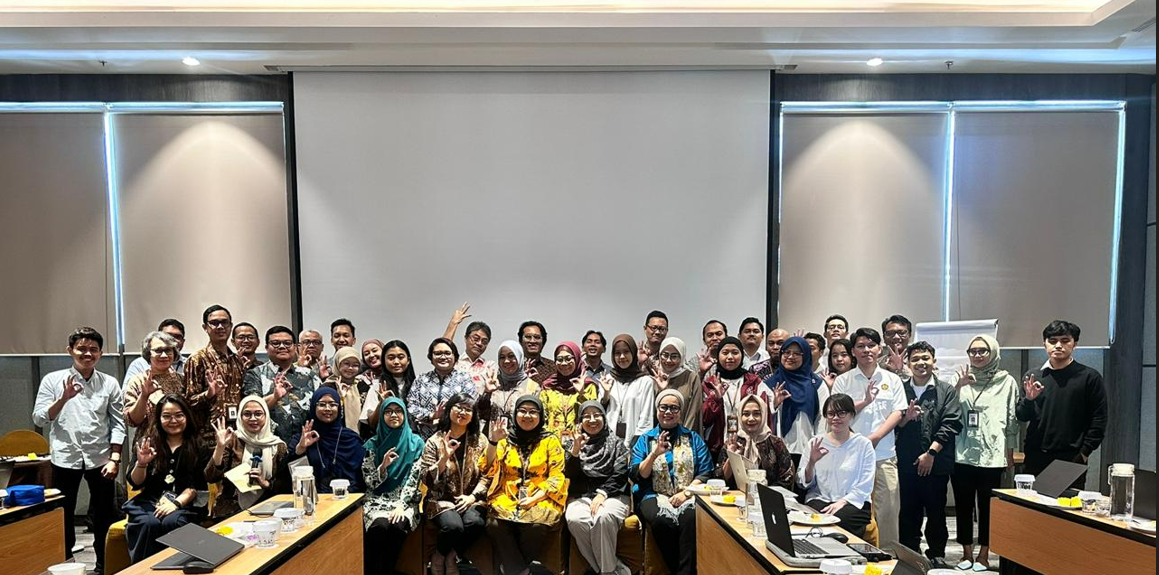
Held at Hotel Mercure Sabang, the activities brought together representatives from national ministries, development partners, financing institutions, technical experts, and project practitioners to discuss practical approaches for developing more credible, bankable, and implementation-oriented waste management projects.
The event forms part of SIPA’s broader support to Indonesia’s transition toward sustainable infrastructure development and low-carbon growth, particularly in strengthening integrated waste management systems and advancing circular economy solutions.
Day One: Building Capacity on Feasibility Study Development
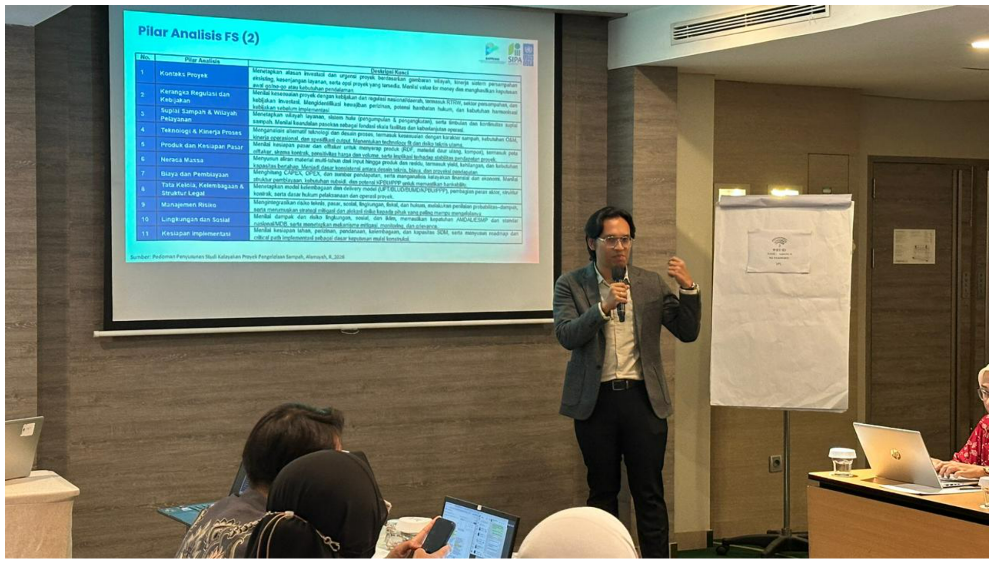
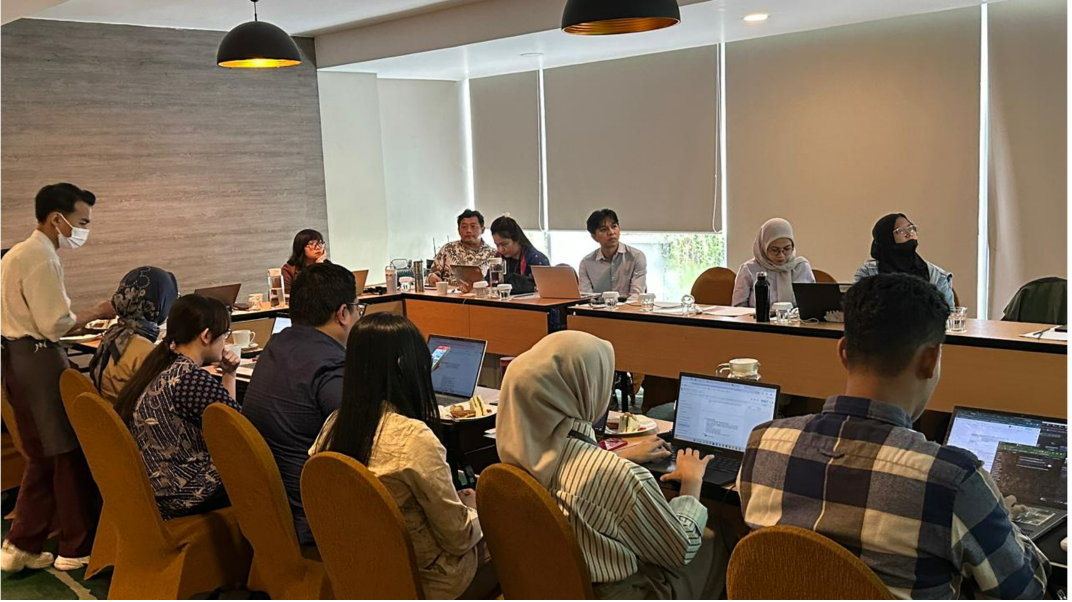
The first day focused on a capacity-building workshop titled “Pedoman Penyusunan dan Evaluasi Studi Kelayakan Proyek Pengelolaan Sampah” (Guidelines for the Preparation and Evaluation of Feasibility Studies for Waste Management Projects). The training aimed to strengthen participants’ understanding of feasibility studies as strategic decision-making tools rather than merely administrative requirements.
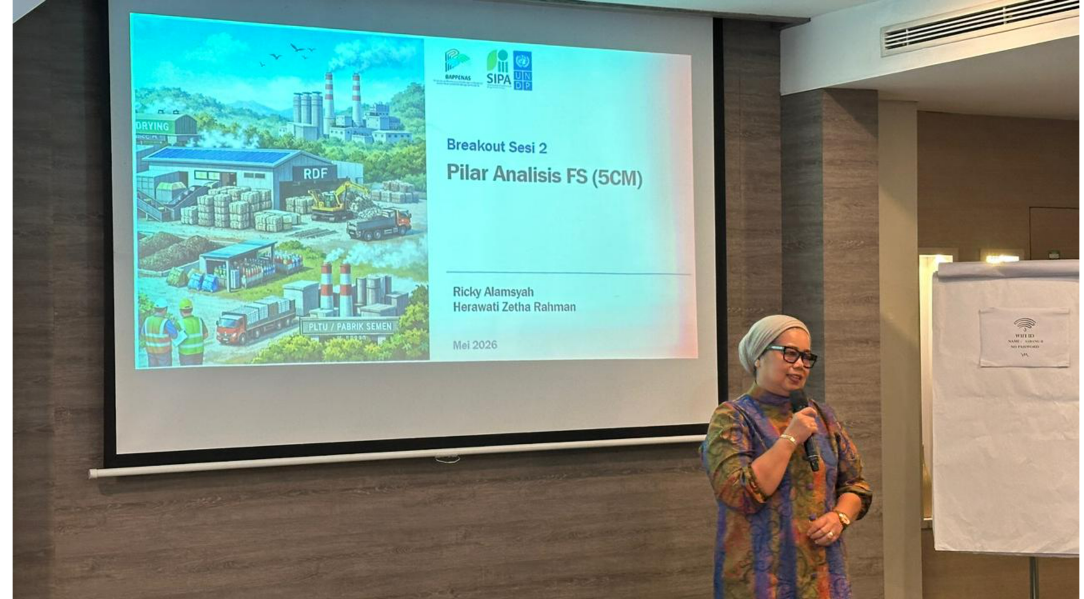
Through a series of breakout discussions and technical sessions, participants explored the application of the Five Case Model (5CM), which examines projects from strategic, economic, commercial, financial, and management perspectives. The discussions highlighted the importance of integrating technical readiness, financing structures, institutional arrangements, and risk management into project preparation processes.
Interactive case studies also encouraged participants to analyze common pitfalls in waste infrastructure planning, including unrealistic project assumptions, weak business models, insufficient supporting infrastructure planning, and limited integration between technical and financial considerations. The workshop further emphasized the need for locally grounded data and stronger collaboration with private sector stakeholders to improve project bankability and long-term implementation success.
Day Two: Knowledge Sharing and Multi-Stakeholder Dialogue
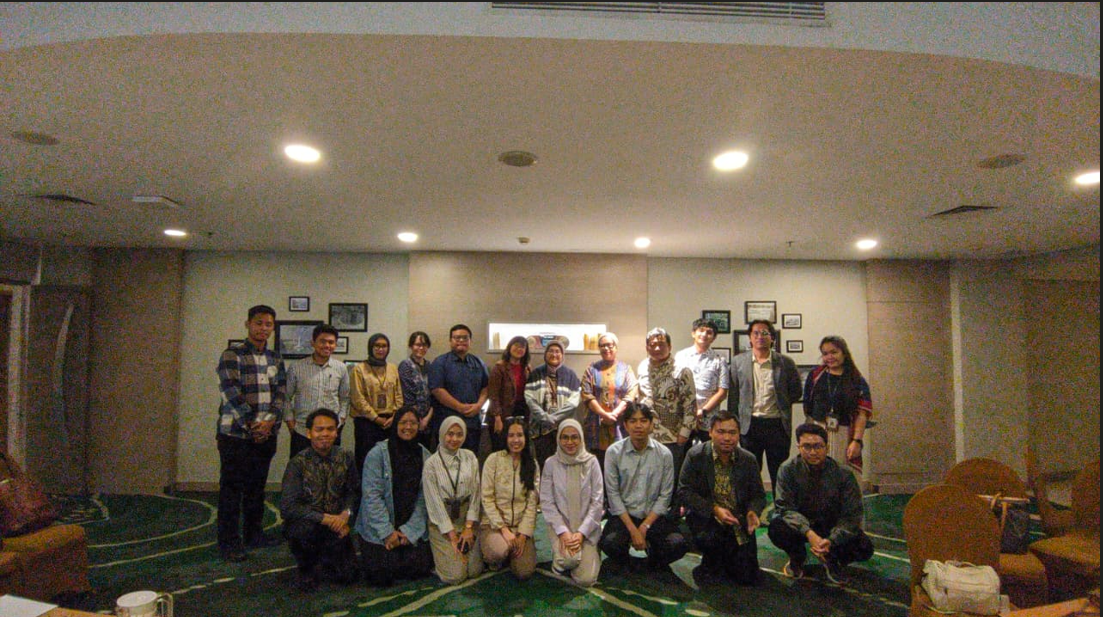
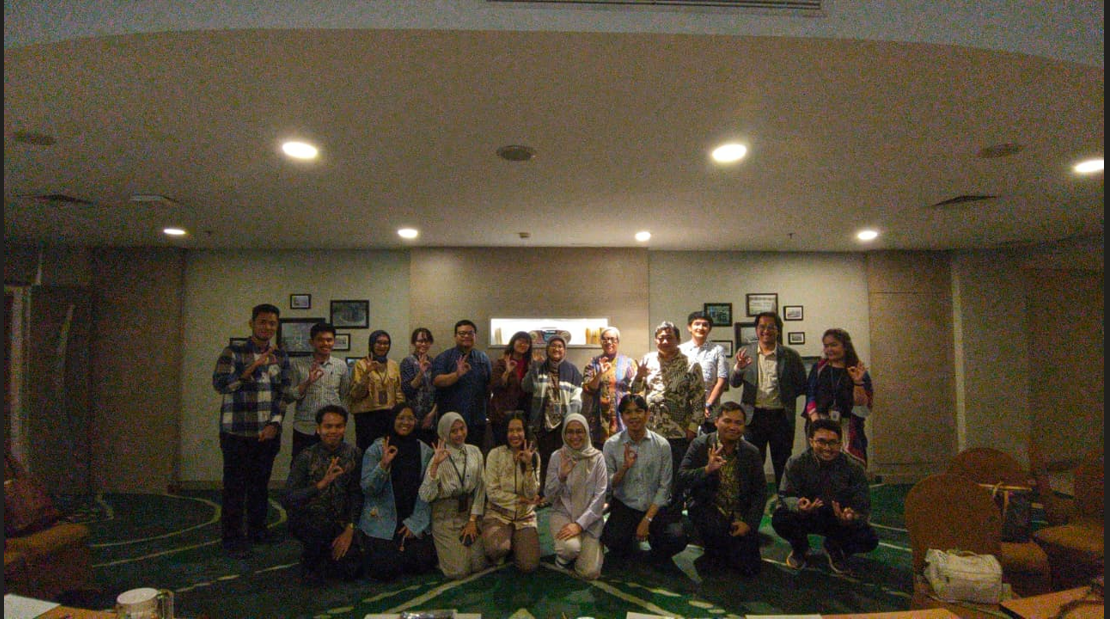
The second day expanded the discussion into a broader knowledge sharing forum involving government institutions, development partners, financial institutions, and private sector representatives. The event served as a platform to gather inputs for the refinement of the draft guideline while strengthening a shared understanding of quality standards for waste sector feasibility studies.
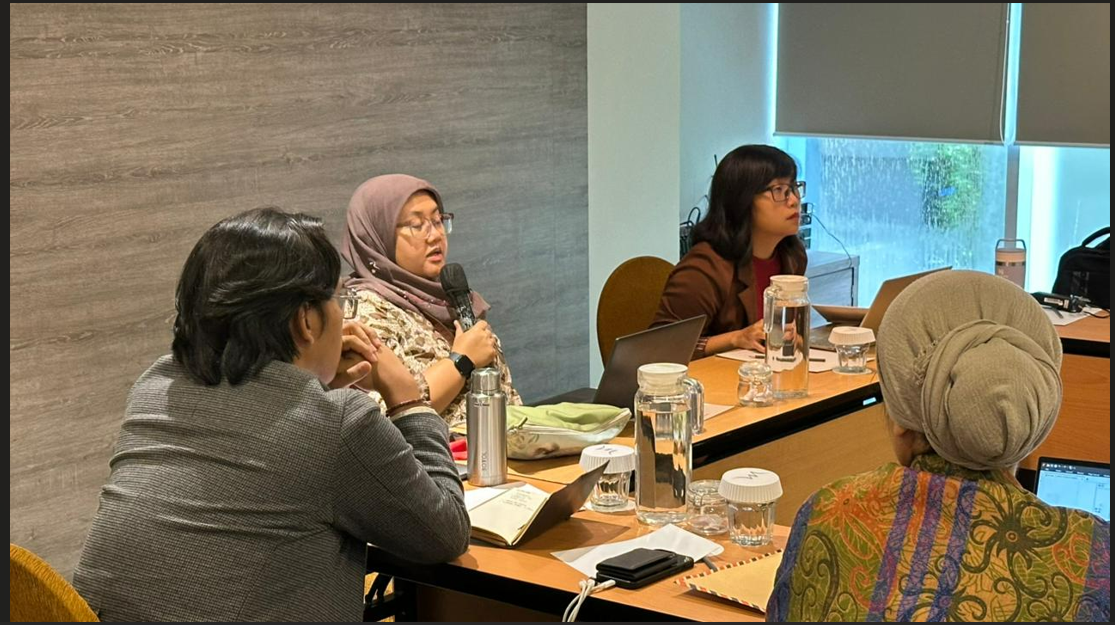
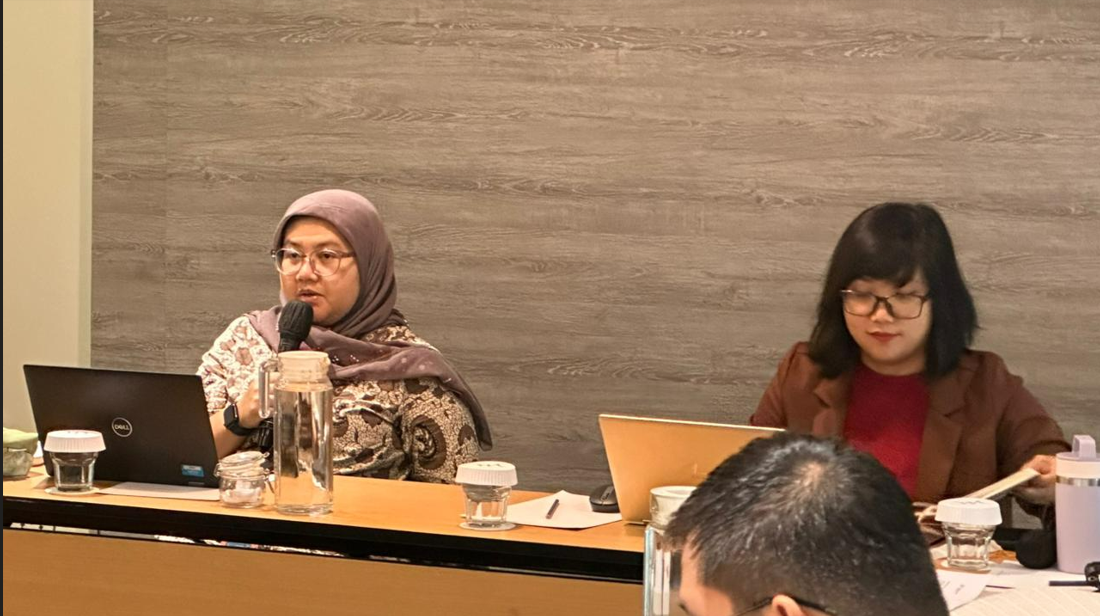
In her welcoming remarks, Made Dwi Rani, Project Coordinator for SIPA & PAGE at UNDP Indonesia, highlighted SIPA’s role in supporting stronger waste infrastructure planning and sustainable financing approaches. This was followed by remarks and setting the context from Nur Aisyah Nasution, coordinator for drinking water and sanitation supply, Directorate of Housing and Settlement Infrastructure at Bappenas, who emphasized the strategic role of high-quality feasibility studies in building a stronger pipeline of waste infrastructure projects under Indonesia’s national development agenda.
The technical experts (Prof. Herawati Zetha Rahman & Ricky Alamsyah) presented the draft feasibility study guideline and discussed practical applications for various waste management systems, including TPST, Material Recovery Facilities (MRF), Refuse-Derived Fuel (RDF), and Waste-to-Energy (WtE) facilities. Discussions also explored ways to improve project implementability, financial viability, and investment readiness.
One of the key themes emerging from the discussions was the importance of designing waste management facilities that are technically realistic and spatially feasible. Participants stressed that feasibility studies should include not only core process designs but also supporting infrastructure components such as parking areas, operational layouts, and technology flow arrangements. Several stakeholders also emphasized the importance of early-stage screening for land suitability, permitting risks, and alignment with local spatial planning regulations.
The forum further highlighted evolving policy and financing developments related to RDF, biomass, and waste-to-energy initiatives in Indonesia. Stakeholders from the Ministry of Energy and Mineral Resources and Ministry of Finance discussed the importance of regulatory alignment, blended financing approaches, and long-term policy consistency to accelerate implementation of sustainable waste management infrastructure.
Supporting Indonesia’s Transition Toward Sustainable Waste Management
The two-day event demonstrated the growing commitment among Indonesian stakeholders to strengthen project preparation processes in the waste sector and promote more integrated, data-driven, and implementation-oriented infrastructure planning.
By facilitating cross-sector collaboration and knowledge exchange, SIPA and UNDP Indonesia continue to support the Government of Indonesia in improving the quality of waste management investments while advancing national priorities on circular economy, low-carbon development, and sustainable infrastructure.
The development of stronger feasibility study practices is expected to play a critical role in reducing project risks, improving investment confidence, and accelerating the delivery of sustainable waste management solutions across Indonesia.