From Legacy to Action: How SIPA is Shaping Indonesia's Next Chapter in Integrated Waste Management
"The future of waste management is not about building more facilities—it is about building an integrated system that works."
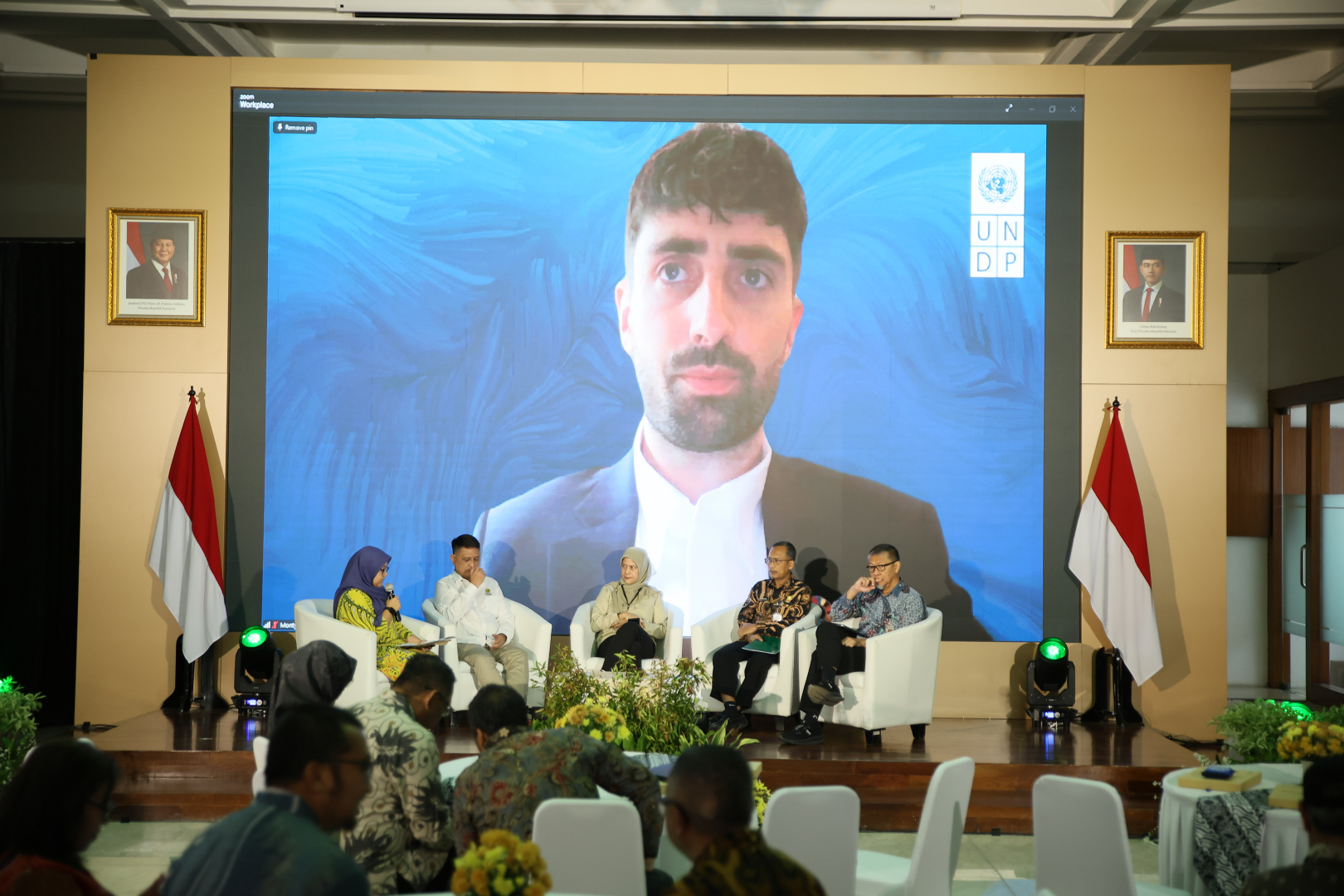
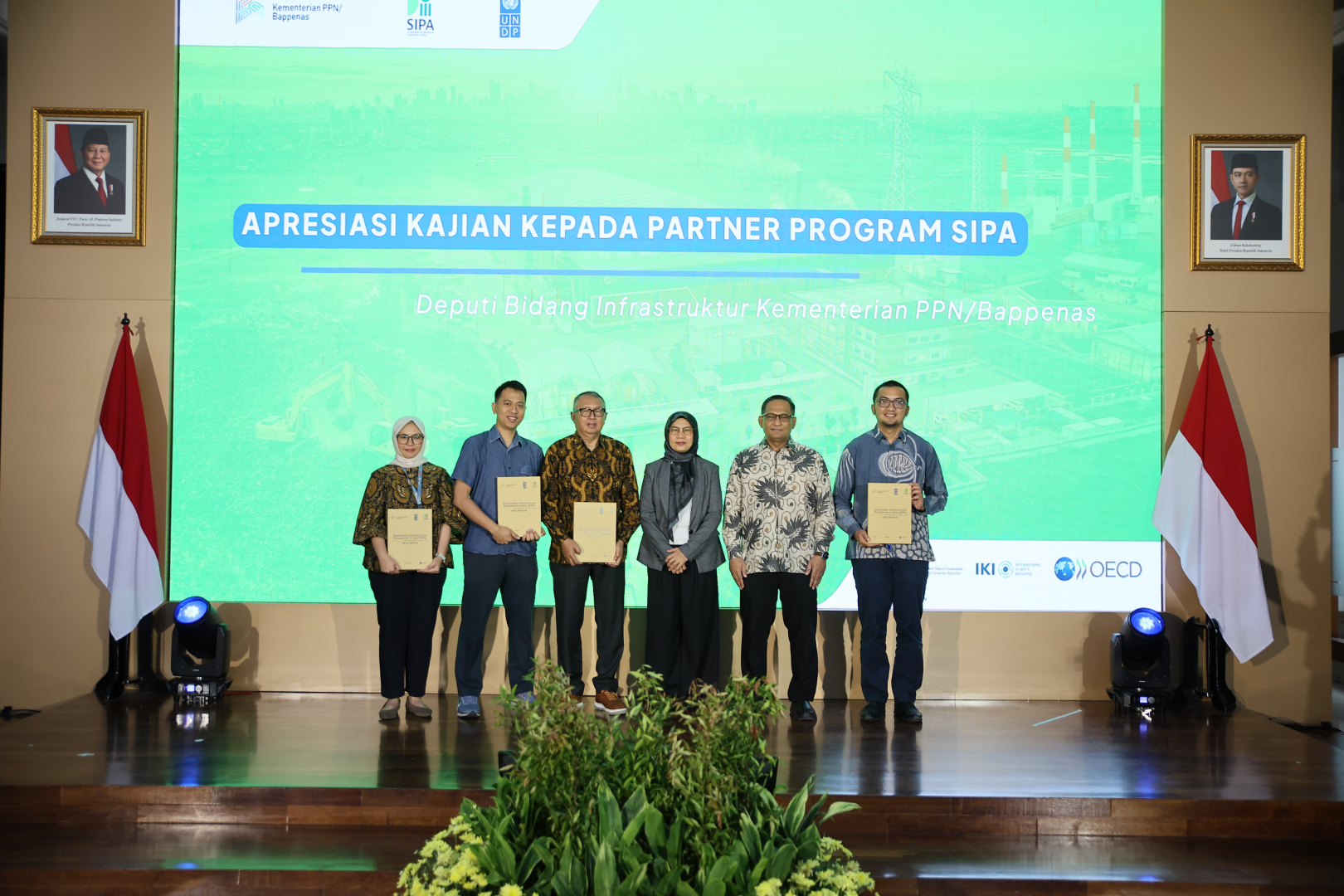
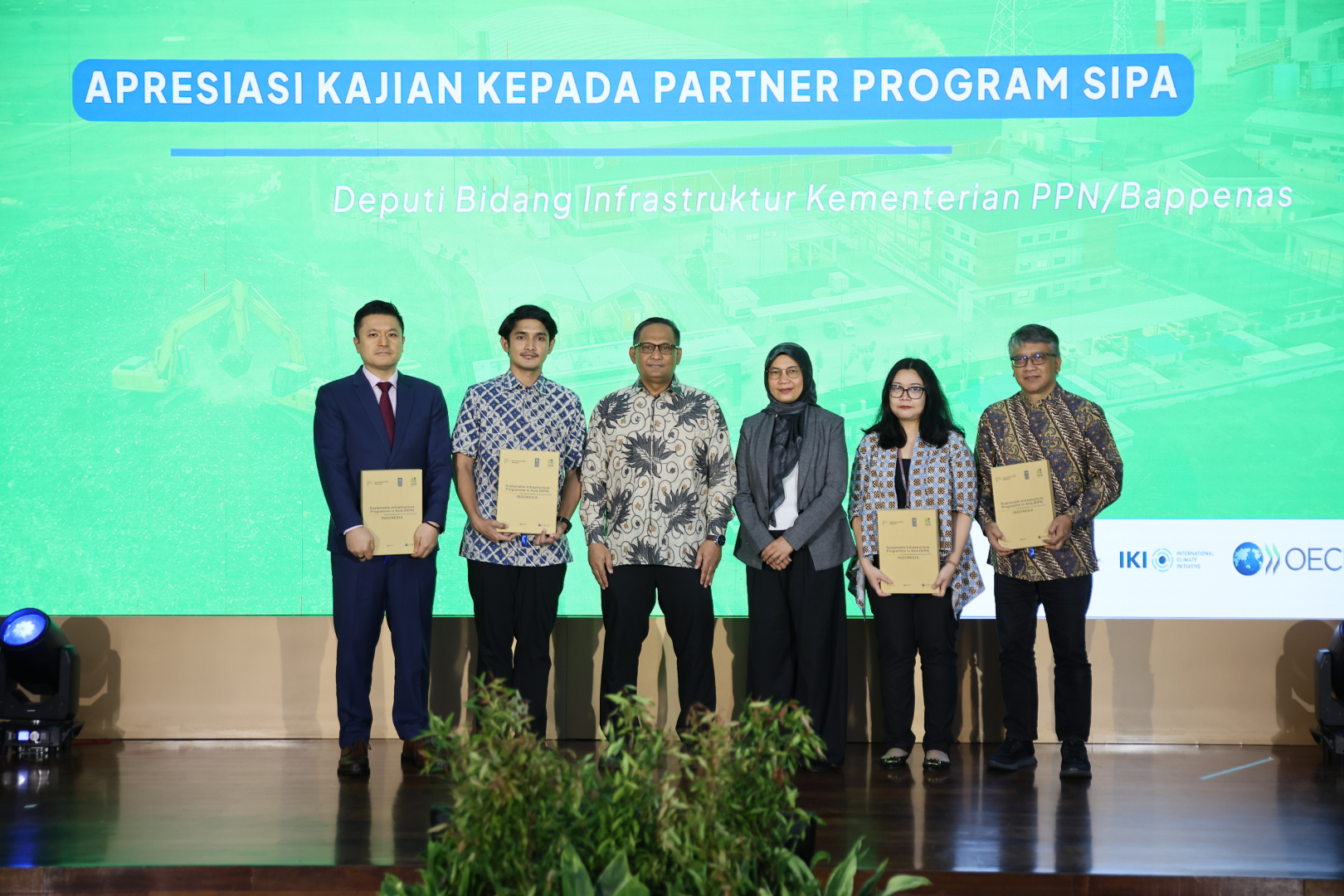
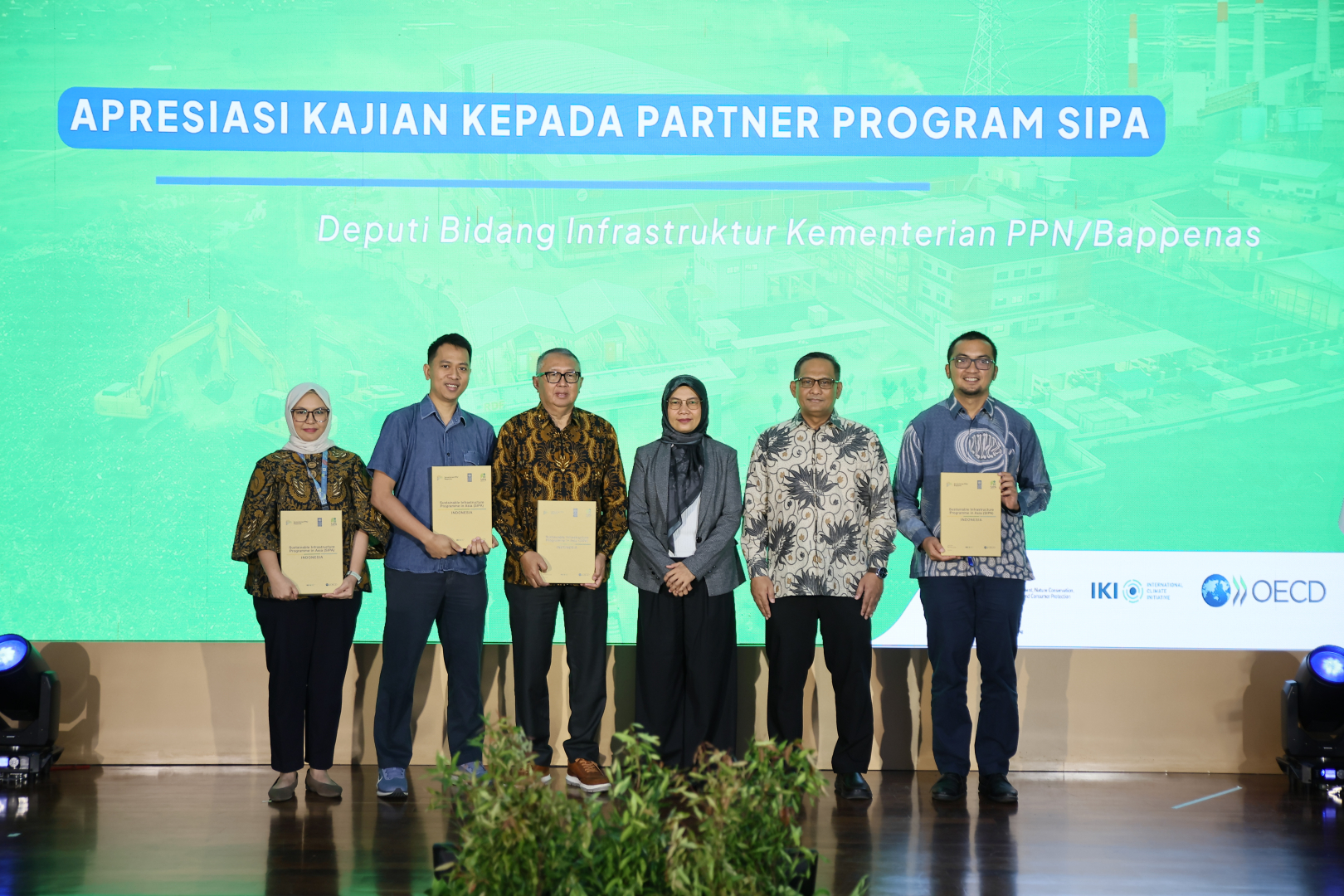
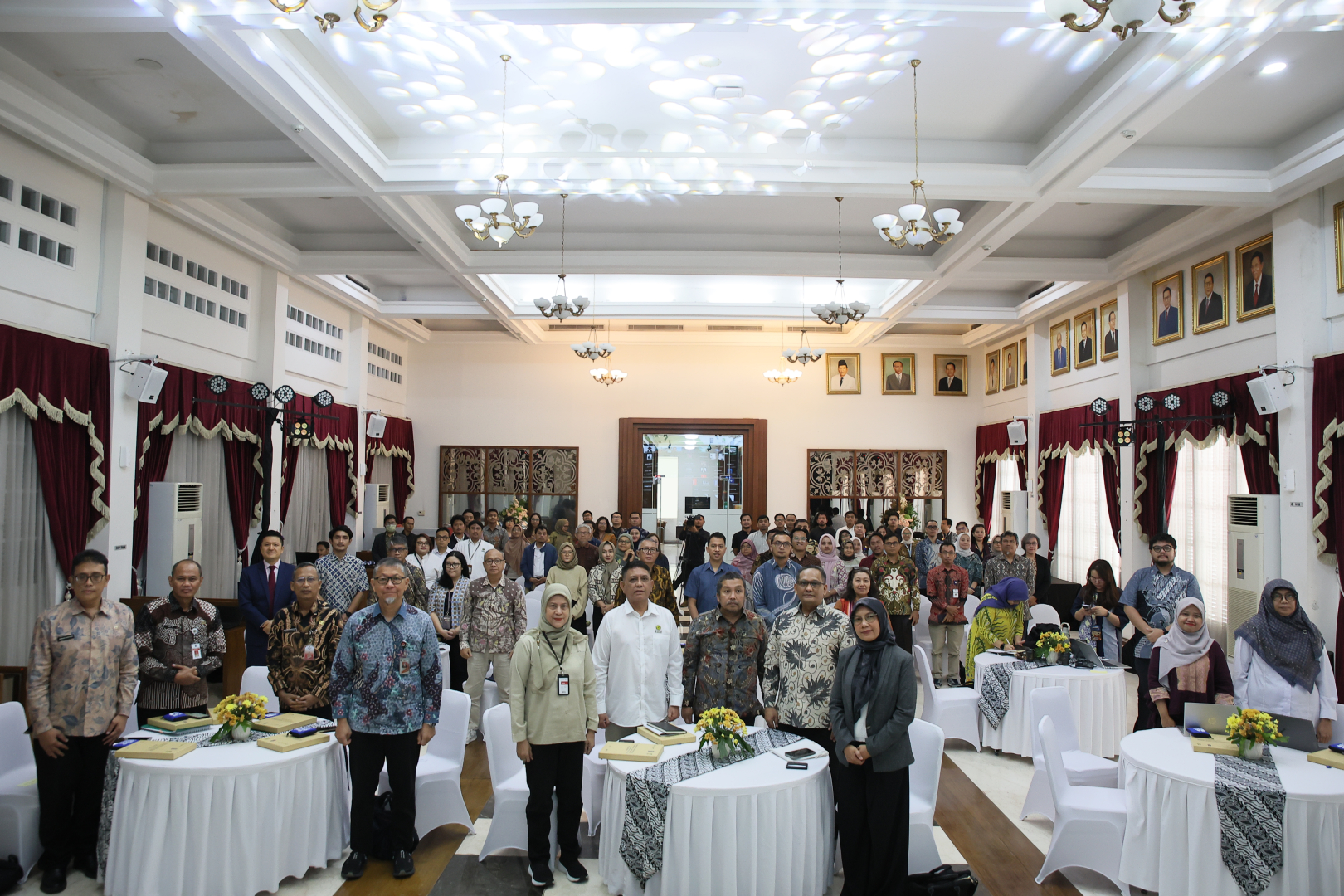
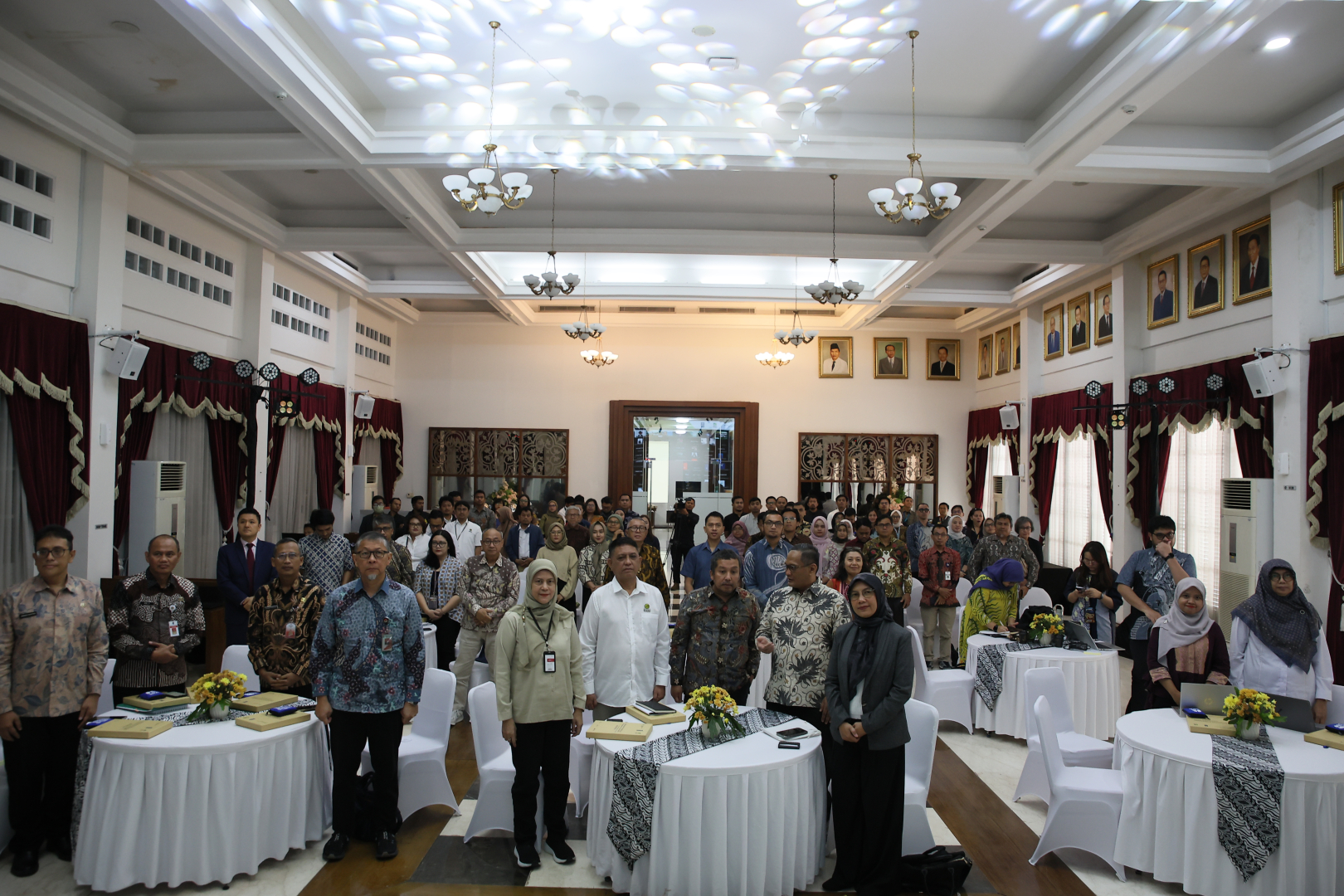
After two years of advancing sustainable infrastructure solutions across Indonesia, the Sustainable Infrastructure Partnership for Indonesia (SIPA) officially concluded its programme with the SIPA Legacy & Way Forward: Integrated Waste Management and Its Contribution to Energy Transition event, held on 2 July 2026 at the Ministry of National Development Planning (Bappenas) office. More than a project closing, the event served as a platform to reflect on SIPA's achievements, share key lessons learned, and identify the next steps needed to translate evidence into action for Indonesia's waste management transformation.
Bringing together senior government officials, development partners, local governments, industry representatives, financial institutions, and technical experts, the closing event demonstrated that SIPA's contribution extends far beyond the completion of a development programme. It leaves behind a strong foundation of policy recommendations, technical studies, investment frameworks, and cross-sector partnerships that will continue supporting Indonesia's transition towards an integrated, low-carbon, and circular waste management system.
Rather than looking back, the event looked forward—highlighting how the programme's legacy can accelerate investment-ready projects, strengthen institutions, and support Indonesia's long-term vision of achieving Indonesia Emas 2045 and Net Zero Emissions by 2060.
A Shift in Mindset
For decades, waste management has largely been perceived as a municipal service focused on collecting and disposing of waste. Today, that paradigm is rapidly evolving.
Indonesia's growing population, rapid urbanisation, and changing consumption patterns continue to increase both the volume and complexity of waste generation. At the same time, the country has committed to reducing greenhouse gas emissions, promoting circular economy practices, and strengthening resource efficiency as part of its long-term development agenda. These challenges call for a fundamentally different way of thinking—one where waste is recognised not as a liability, but as a valuable resource capable of creating environmental, social, and economic benefits.
The concept of end-to-end waste management reflects this transformation by integrating every stage of the waste value chain—from waste reduction and source segregation to collection, processing, resource recovery, and environmentally sound final disposal. Within this system, technologies such as Waste-to-Energy (WtE) and Refuse-Derived Fuel (RDF) offer opportunities to reduce landfill dependency while contributing to industrial energy demand and Indonesia's low-carbon transition.
"Waste should no longer be viewed simply as something to dispose of, but as a strategic resource that supports circular economy and low-carbon development."
Building Knowledge that Enables Investment
Throughout its implementation, SIPA has generated a comprehensive body of analytical work designed to strengthen Indonesia's waste management ecosystem. From technology assessments and RDF business models to financing frameworks, feasibility study guidelines, and long-term roadmaps, the programme has focused on providing practical knowledge that supports policy reform and investment readiness.
Yet one of the strongest messages emerging from the event was that knowledge alone is not enough.
The discussions underscored the importance of translating analytical outputs into bankable projects capable of attracting both public and private investment. Rather than producing standalone studies, the next phase should focus on developing investment pipelines supported by sound governance, institutional readiness, and sustainable financing mechanisms.
This represents a significant evolution—from generating evidence to enabling implementation.
There Is No One-Size-Fits-All Solution
Among SIPA's most valuable lessons is the recognition that waste management solutions must be tailored to local contexts.
Different regions face different waste characteristics, institutional capacities, market conditions, and financial realities. Consequently, selecting appropriate technologies cannot rely solely on technological preference. Instead, decisions should be informed by comprehensive technical, environmental, economic, and social assessments.
Equally important is the understanding that successful projects depend not only on technology, but also on the systems that support them.
Feedstock quality, source segregation, logistics, governance arrangements, operator capacity, financing structures, and reliable off-takers all determine whether waste treatment facilities can operate efficiently and sustainably over the long term.
"Technology alone does not determine success. Strong institutions, effective governance, sustainable financing, and market readiness are equally critical."
To help address these challenges, SIPA introduced a structured 4-Gate Framework, guiding project preparation through successive stages—from pre-condition assessment and pre-feasibility analysis to integrated feasibility studies and implementation readiness. The framework encourages more rigorous project preparation before investment decisions are made, reducing risks while improving long-term project viability.
Collaboration as the Foundation for Transformation
One of the defining strengths of the event was the diversity of stakeholders brought into the conversation.
Representatives from Bappenas, line ministries, provincial and local governments, state-owned enterprises, private sector partners, financial institutions, development organisations, and technical experts all contributed to discussions on the future of Indonesia's waste sector.
Their shared message was clear: transforming waste management requires collaboration that extends beyond institutional mandates.
The transition towards integrated waste management will require stronger partnerships between central and local governments, clearer regulatory frameworks, innovative financing models, active private sector participation, and greater public engagement. Only through coordinated action can Indonesia build a waste management system that is environmentally sustainable, financially viable, and socially inclusive.
From Legacy to Action
As SIPA reaches the conclusion of its implementation, its legacy extends well beyond the reports and studies it has produced.
The programme has helped shape new ways of thinking about waste management—promoting systems-based planning, investment readiness, evidence-based policymaking, and stronger collaboration across sectors.
Looking ahead, Indonesia's challenge is no longer simply to build additional waste treatment facilities. It is to build an integrated ecosystem capable of ensuring that every investment delivers lasting environmental, economic, and social value. This shift—from facility-oriented to system-oriented waste management—will be essential in supporting Indonesia's broader vision of achieving sustainable development and Indonesia Emas 2045.
"SIPA's greatest legacy is not only the knowledge it generated, but the partnerships it strengthened and the pathway it created towards investment-ready, integrated waste management in Indonesia."
The conversations initiated through SIPA do not end with the programme itself. Instead, they provide a stronger foundation for the next phase of Indonesia's waste management transformation—where evidence informs policy, policy enables investment, and collaboration turns ambition into action.
Download